Signs of Emotional Safety in a Relationship: Why Safety Comes Before Love
By: Lauren A. Lima, MA, LMFT
RLT Level I Therapist & Gottman Lessons in Love Singles Leader
When people think about a healthy relationship, they often focus on chemistry, attraction, communication skills, or finding "the right person." While those factors matter, one of the strongest predictors of long-term relationship success is something many people overlook in the beginning: emotional safety.

Emotional safety is the experience of feeling secure enough to be fully yourself with a partner — without fear of humiliation, rejection, punishment, or emotional harm. It is built through consistent respect, reliability, and the sense of being emotionally understood. When emotional safety is present, trust develops naturally over time.
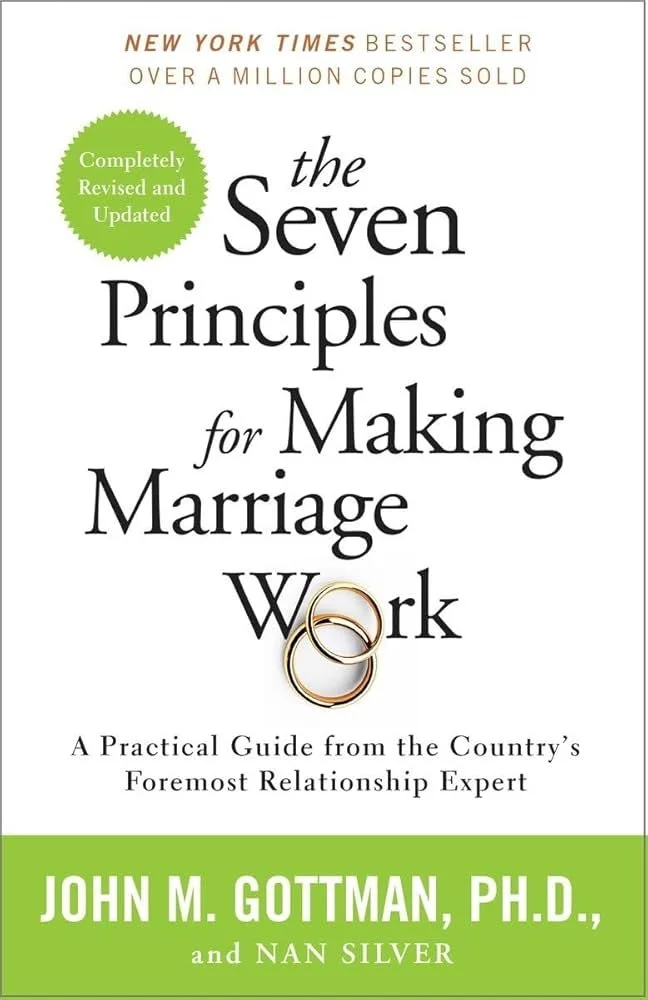
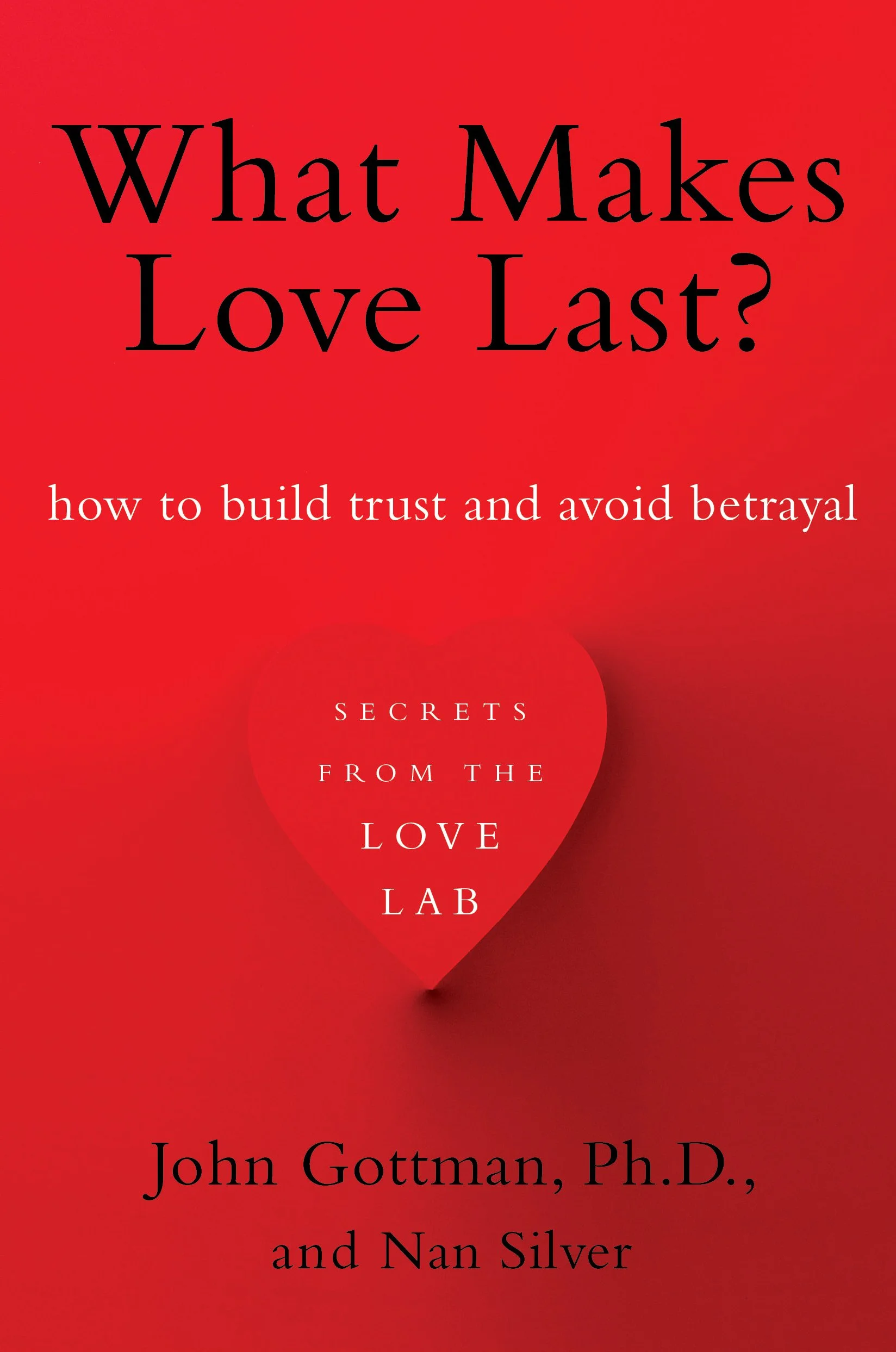
Because of that, it is never too much of an ask to understand whether a relationship is healthy, how trust is built, or what truly makes love last. According to the research of John Gottman, esteemed couples therapist and author of The Seven Principles for Making Marriage Work, healthy relationships are built through trust, commitment, and daily moments of connection. Before any of that can truly develop, safety must come first.
Why Emotional Safety Matters More Than Chemistry
Chemistry can feel exciting, magnetic, and powerful. It can create hope and make a relationship feel meaningful very quickly. However, chemistry alone does not (and in many circumstances, won't) create a secure relationship.
Many people confuse emotional intensity with compatibility. Strong attraction can feel like a signal that a relationship is healthy, but chemistry alone does not create security. Chemistry is exciting but unpredictable, and can temporarily mask incompatibility. Emotional safety, by contrast, is steady. It creates the conditions for authentic connection and allows you to see your partner clearly over time rather than through the distorting lens of infatuation.
Emotional safety is different from chemistry because it creates a platform that allows connection to deepen without fear. With emotional safety, there is room for honesty, vulnerability, and repair when conflict inevitably happens. Without emotional safety, love can feel anxious, unnerving, and in some cases, dangerous.
John Gottman's Three Stages of Relationships
John Gottman describes three core stages of relationship development: limerence, building trust, and building commitment:
Stage 1 — Limerence:
The early phase of attraction, infatuation, and excitement. People naturally focus on potential rather than patterns during this stage.
Stage 2 — Building Trust:
Two core questions emerge here: "Can I depend on you?" and "Are you there for me?" Emotional safety is tested and established through consistency, responsiveness, and reliability.
Stage 3 — Building Commitment:
The deepest question becomes: "Is this relationship worth protecting, even when life gets hard?" Without emotional safety established in Stage 2, commitment can feel more like survival than love.
Signs of Emotional Safety in a Relationship
What does emotional safety actually look like? It is often less about grand gestures and more about consistent behavior over time.
Signs of emotional safety include:
Your partner listens without contempt or dismissiveness
Difficult emotions are met without mocking, minimizing, or cruelty
Hard conversations are possible without threats or shutdown
Accountability exists – your partner can apologize and repair without deflecting blame
Boundaries are respected without punishment or guilt
You feel consistently valued and do not hide parts of yourself to keep the peace
You are not left confused about where you stand in the relationship
If you find yourself scanning this list and feeling relieved rather than reassured, that awareness matters. Emotional safety is not a bonus in a relationship — it is the baseline.
Healthy love does not punish you for having needs, requiring space, or asking for clarity. (Repeat that three times and make it your new relationship mantra.)
Signs a Relationship May Not Feel Safe
Sometimes a person can know something feels off but struggle to name it. A relationship may lack emotional safety when communication regularly leads to fear, shutdown, walking on eggshells, unpredictability, manipulation, chronic blame, dismissiveness, or emotional volatility.
Signs a relationship may lack emotional safety:
Communication regularly produces fear, shutdown, or walking on eggshells
Emotional manipulation — including guilt-tripping, silent treatment as punishment, or threatening to leave during conflict
Unpredictable emotional responses — you never know which version of your partner you will encounter
Consistent dismissiveness — your feelings are minimized, mocked, or labeled as "too sensitive"
Relationship anxiety increases rather than decreases over time
You feel less like yourself, more hypervigilant, or hesitant to express normal needs
Even when love is genuinely present, safety can still be missing. And that distinction is worth paying attention to.
Why Safety Helps Relationships Last
The strongest relationships are not conflict-free. Many disagreements are essential opportunities to understand your partner more deeply. What matters is not the absence of conflict, but whether conflict can happen without destroying connection. When it can, emotional safety is almost always present.
When emotional safety exists in a relationship, research and clinical experience both point to the same outcomes: couples communicate more honestly, repair misunderstandings more effectively, navigate differences without lasting damage, and stay emotionally connected through stressful seasons.
The progression looks like this:
Safety allows vulnerability. Vulnerability builds intimacy. Intimacy strengthens commitment.
This is why emotional safety is not just one of many healthy relationship signs. It is the very foundation from which all of them grow.
Building Emotional Safety in Your Relationship
If emotional safety is missing, it can be rebuilt and the work looks different depending on where you are starting from.
Individual work may include:
Identifying your own attachment patterns and emotional triggers
Practicing setting and maintaining healthy boundaries
Building communication skills and emotional regulation
Working with an individual therapist to address past relationship trauma
In couples work, you might:
Learn conflict resolution skills together
Practice active listening and validation with one another
Establish shared ground rules for difficult conversations
Choose an empathetic stance, rather than a defensive one
If you are experiencing emotional abuse, manipulation, or ongoing feelings of unsafety, it is important to reach out to a qualified therapist or relationship counselor who can help you navigate your specific situation safely. This is not a step to take alone.
A Therapist's Perspective
The following reflects one therapist's clinical worldview — observations shaped by training, practice, and a deep belief that safety is the prerequisite for everything else.
In practice, many people seek relationship help focused on communication tools, conflict resolution, or how to get their partner to understand them. While those tools have value, a more important question comes first: Do I feel emotionally safe in this relationship?
If the answer is no, the work may need to shift inward — exploring attachment wounds, self-worth, tolerated patterns, trauma history, or whether the relationship is genuinely capable of healthy repair.
Sometimes the next step is not learning how to say it better. Sometimes it is learning how to hear yourself more clearly.
Many people also discover that what they once believed was "normal" relationship behavior was actually a pattern of emotional unsafety they had learned to tolerate: dynamics normalized throughout their development that felt familiar precisely because they were repeated, not because they were healthy. Understanding the difference between what feels familiar and what truly feels good can be genuinely life-changing.
Frequently Asked Questions About Emotional Safety
Q: Can emotional safety be rebuilt after it's been broken?
A: Yes! Emotional safety can be rebuilt after it has been broken. Doing so requires consistent effort from both partners, genuine accountability from the person who caused harm, and typically professional support to guide the repair process.
Q: Is it normal to feel anxious in a new relationship?
A: Some nervousness is normal early on, but persistent anxiety, walking on eggshells, or feeling like you can't be yourself are signs to pay attention to.
Q: How long does it take to feel emotionally safe with someone?
A: This varies, but emotional safety typically builds gradually over months through consistent, trustworthy behavior. If you still feel unsafe after significant time together, it may indicate deeper issues.
Q: What's the difference between emotional safety and codependency?
A: Emotional safety allows for interdependence and autonomy, while codependency involves an unhealthy need for constant reassurance and validation from your partner.
Q: Should I stay in a relationship that lacks emotional safety?
A: This depends on the specific circumstances, your personal boundaries, and whether your partner is willing to do the work to rebuild trust and safety. Seeking support from a therapist can help you make the best decision for your wellbeing.
Final Thoughts
Before trust can deepen, before commitment solidifies, before any communication strategies can truly work? Safety is the necessary foundation of a lasting, healthy relationship.
Without safety, love can feel confusing, exhausting, or unstable. With safety, love becomes something much more sustainable: a relationship that can grow, adapt, and endure whatever life throws your way. If you're struggling to create emotional safety in your relationship or are unsure if your relationship is healthy, reaching out to a qualified therapist can provide invaluable guidance. You deserve a love that feels secure, not scary.
Curious about where you stand in your relationship—or ready to explore what comes next?
We'd love to answer your questions and help you take the next step at whatever pace feels right.
Resources
More on Couples