What Is Emotional Maturity?
By: Elizabeth Scudder, LMFT
These days, "emotional maturity" comes up everywhere — in therapy offices, relationship advice columns, and conversations with friends. But what does it actually mean? And why does understanding it matter so much for our wellbeing and our relationships?

Defining Emotional Maturity
Emotional maturity is defined by an individual's ability to:
Set healthy boundaries while also being vulnerable
Maintain a continuously evolving, honest sense of self
Regulate emotions and make thoughtful decisions
Take accountability and responsibility for themselves
Demonstrate empathy and understanding — even when others' feelings differ from their own
Being an adult by age does not, by itself, constitute emotional maturity.
What Neuroscience Tells Us About Brain Development
The consensus age for the end of adolescence is now around 25 — and it keeps creeping upward as research advances. This means that today's 20-year-old brain still has several years of development ahead of it.
Neuroscience shows that the prefrontal cortex — the region responsible for impulse control, risk assessment, decision-making, and emotional regulation — does not finish developing until the mid-twenties. Even then, full development doesn't guarantee emotional maturity.
But here's the important caveat: even when the brain is technically "done" wiring, there's no guarantee that emotional maturity follows automatically. Biology sets the stage, but our experiences, relationships, and intentional inner work determine the rest.
Emotional Maturity Is Not a Destination
KEY INSIGHT
Part of emotional maturity is having the self-awareness to be constantly growing — recognizing and regulating our emotions, identifying safe relationships, exercising vulnerability, deepening empathy, and taking ongoing inventory of our impact on ourselves and others.
This ongoing work is not a sign of failure. It is, in fact, the hallmark of emotional maturity itself. The person who believes they have fully arrived is often the one who has stopped growing.
Healing From Emotional Immaturity in Our Families of Origin
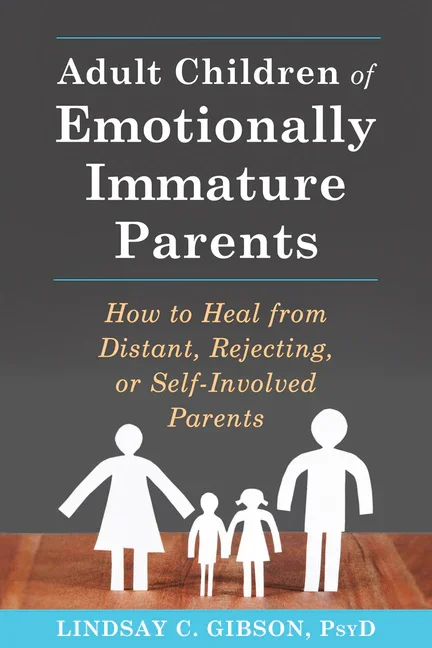
A significant part of this inner work involves looking honestly at how emotional immaturity shaped our upbringing — and how it likely still shows up in our families of origin today. Many of us were raised by people who were doing their best with tools that were incomplete.
Healing from the ways emotional immaturity hurt us is not a small task. But it is a crucial one. It is how we begin to break the cycle — or legacy — so that old patterns don't simply pass from one generation to the next.
Finding an Emotionally Mature Partner
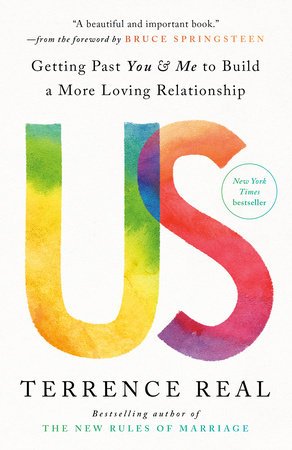
One of the fascinating and sometimes painful truths about partnership is this: we tend to find people who mirror what was familiar in our childhoods, but who offer just slightly better odds of healing it. We partner with potential.
The risk in this dynamic is that instead of healing, we unconsciously recreate the dysfunction we grew up with, slipping into familiar patterns rather than building healthier ones. But the opportunity — the genuine hope — is that the relationship becomes a container for growth.
By developing empathy for both our own history and our partner's, we begin to break old patterns.
As we learn that the relationship is safe, we exercise vulnerability more and more.
We become better at recognizing when boundaries are needed — and at setting them with care.
We move toward deeper connection with ourselves and with the people we love.
We use the partnership as an opportunity for growth — not a reenactment of pain.
Emotional maturity in relationships isn't about finding a perfect partner. It's about two people choosing, again and again, to do the work together.
Ready to do the work?
Our therapists specialize in helping individuals and couples build emotional awareness, break generational patterns, and create healthier relationships.
Resources
More on Couples